

Eating Alone on a Cruise: How to Never Have To Unless You Want To
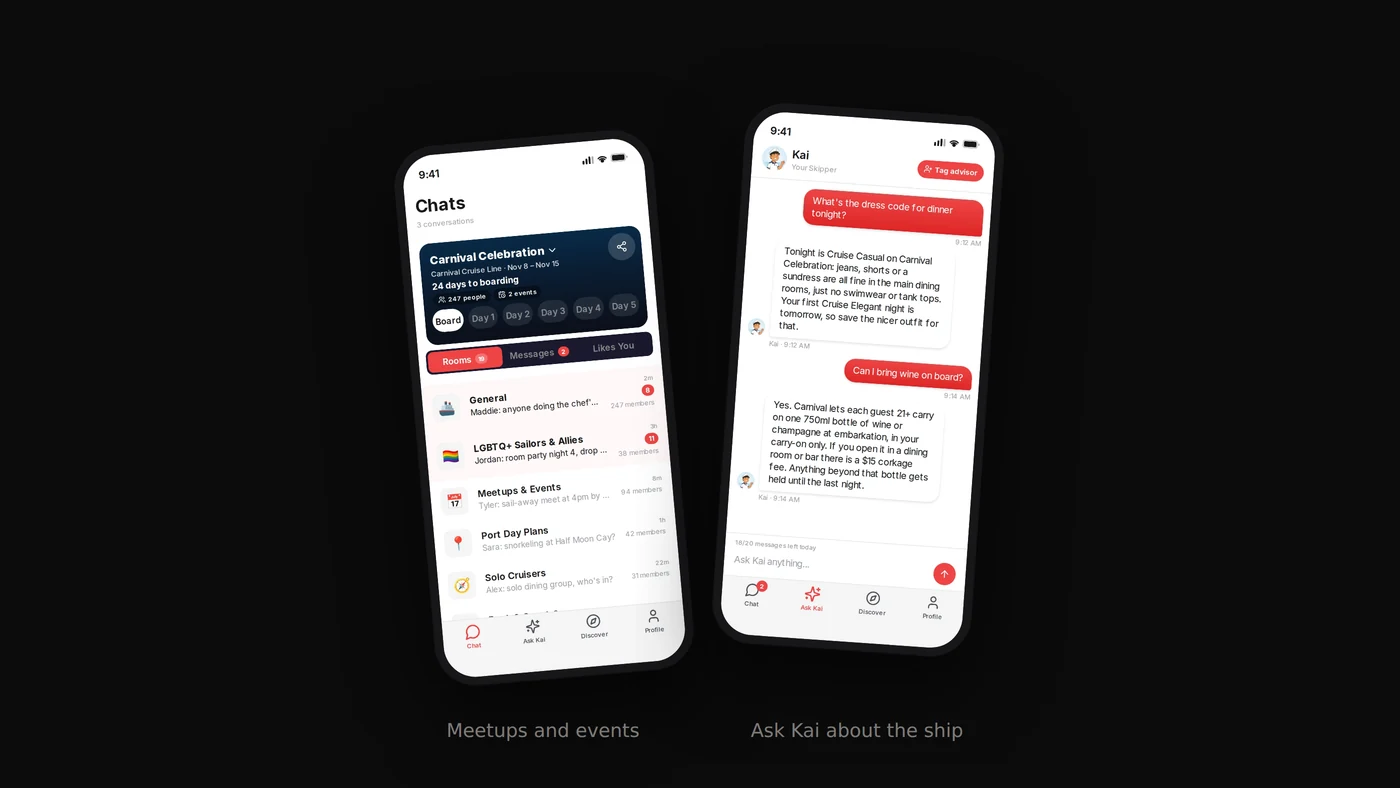
Quick answer: Dining alone on a ship is normal and far less visible than you are imagining, but you do not have to. Ask for a large shared table in the main dining room, choose traditional dining over anytime if meeting people matters, and arrange a dinner group from your sailing before you board. The people who eat alone all week are almost always the ones who did not ask.
The fear is bigger than the reality
Dinner is the moment solo cruisers dread, and it is worth saying plainly that it is mostly fine. Ships carry a lot of people traveling alone. Waiters serve single diners every night without a flicker. In the buffet, the poolside grill, and casual venues, nobody notices at all, because half the room is grabbing a plate between activities.
The specific thing people are actually anxious about is the main dining room, at a table for one, on formal night, surrounded by parties of eight. That is a real and avoidable scenario, and avoiding it takes one sentence to one person.
Ask for a shared table. That is the whole trick.
Cruise main dining rooms are built around shared tables. Tables of six, eight, and ten are standard, and lines seat strangers together as a matter of routine. You can request this when you book, through your travel agent, or by finding the maitre d in the dining room on embarkation afternoon, which is when they handle table changes.
Say it exactly like this: you are traveling solo and you would like to be seated at a large shared table. It is not an unusual ask and it is not an imposition. The dining team would generally rather fill a table of eight than run two tables at half capacity.
Traditional dining beats anytime, if meeting people is the goal
This is the decision that matters most and it gets made at booking, often without much thought.
- Traditional or fixed dining puts you at the same table, at the same time, with the same people, every night of the sailing. By night three you have inside jokes. By night five you have port day plans. This is how the majority of durable cruise friendships actually form, and it happens with no effort from you beyond showing up.
- Anytime or flexible dining lets you eat when you want, which is genuinely convenient and usually means a different table and different neighbours nightly. You get seven pleasant first conversations instead of one week-long one.
If you are cruising to meet people, pick traditional and request a shared table. If your schedule genuinely will not tolerate a fixed seating, use anytime and do the arranging yourself, which brings us to the part that works best.
Arrange it before you board
The most reliable way to never eat alone is to walk aboard with a dinner already agreed.
Every sailing has people trying to solve this. The Cruise Critic roll call and the Facebook group for your ship and date will usually have someone organizing a group dinner, and if nobody has, being the person who posts it works well because you are offering the thing everyone wanted.
On Nautir this is what the rooms are for. Every sailing gets topic rooms including Solo Cruisers and Meetups and Events, each with an events bar where anyone can create a dinner and take RSVPs. You pick a night and a venue, people say yes, and embarkation day starts with a plan instead of a question. Every member has cleared a government ID scan first, which matters more when you are agreeing to meet strangers than when you are reading a forum thread.
Other meals are easier than dinner
Breakfast and lunch are the low-stakes versions and worth using deliberately. Many ships will seat you at a shared table at breakfast if you ask, and a twenty minute conversation over eggs costs nothing if it does not click. The buffet is the easiest room on the ship to talk to someone, because everyone is standing up, moving around, and nobody is trapped.
Specialty restaurants are the one place solo dining is genuinely quieter, since they are mostly couples and celebrations. Some ships run chef's table or shared-table experiences that are excellent for solo travelers. Ask what is available on your ship on day one.
And if you want to eat alone, do
A week of enforced socializing is its own kind of exhausting. Room service on the balcony, a book at a corner table, or the buffet at an odd hour are all legitimate choices, and choosing solitude is different from having it imposed. The goal is not to never eat alone. It is to eat alone only on the nights you meant to.
FAQ
Is it weird to eat alone on a cruise?
No, and you will be far less conspicuous than you expect. Ships carry a lot of solo travelers, staff are used to single diners, and in the buffet and casual venues nobody registers it at all. The awkwardness people anticipate is mostly about the main dining room on formal night, and even that is solved by asking for a shared table.
Can I ask to sit with other people at dinner?
Yes. In traditional dining you can request a large shared table when you book or ask the maitre d to move you on the first night. It is a completely normal request and the dining team handles it constantly. Shared tables of six to ten are how most cruise friendships actually start.
What is the difference between traditional and anytime dining for solo travelers?
Traditional dining assigns you the same table and companions every night, which is the single best way to build a real connection over a week. Anytime or flexible dining gives you freedom but usually means a different table and different people each night. If meeting people matters more than flexibility, choose traditional and ask for a shared table.
How do I find dinner companions before the cruise?
Arrange it in advance rather than hoping. The roll call and Facebook group for your sailing usually have people organizing dinner groups, and sailing-scoped apps let you agree a night and a venue before you board. Walking into dinner with a plan removes the whole problem.